CaseIH D33 vs John Deere 40R
Confronto delle schede tecniche
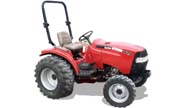
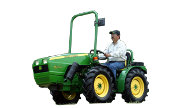
Verdetto in cifre
- Il CaseIH D33 e il John Deere 40R erogano la stessa potenza: 33 CV.
- Il John Deere 40R è il modello più recente: produzione iniziata nel 2005, contro il 2001 del CaseIH D33.
- Il John Deere 40R è più pesante: 1139 kg contro 1058 kg del CaseIH D33.
- Il John Deere 40R offre una capacità di sollevamento superiore: 1000 kg contro 741 kg.
Confronto completo delle specifiche
| CaseIH D33 | John Deere 40R | |
|---|---|---|
| Potenza | 33 CV | 33 CV |
| Anni di produzione | 2001–2003 | 2005–2010 |
| Carburante | Diesel | Diesel |
| Cilindri | 3 | 3 |
| Cilindrata | 1.5 L | 1.6 L |
| Peso | 1 058 kg | 1 139 kg |
| Trazione | 2WD o 4WD | 4WD |
| Trasmissione | Meccanica | — |
| Marce (av/ind) | 9 / 3 | 6 / 3 |
| Capacità di sollevamento | 741 kg | 1 000 kg |
| Passo | 160 cm | — |
| Lunghezza | 270 cm | 305 cm |