Deutz-Fahr 5120 vs Iseki TJW105
Confronto delle schede tecniche
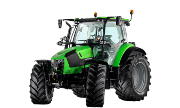

Verdetto in cifre
- Il Iseki TJW105 è più potente del Deutz-Fahr 5120: 112 CV contro 111 CV (+1 CV, +1 %).
- Il Deutz-Fahr 5120 è il modello più recente: produzione iniziata nel 2013, contro il 2003 del Iseki TJW105.
- Il Deutz-Fahr 5120 offre una capacità di sollevamento superiore: 4650 kg contro 3200 kg.
Confronto completo delle specifiche
| Deutz-Fahr 5120 | Iseki TJW105 | |
|---|---|---|
| Potenza | 111 CV | 112 CV |
| Anni di produzione | 2013–2017 | 2003–2013 |
| Carburante | Diesel | Diesel |
| Cilindri | 4 | 4 |
| Cilindrata | 3.6 L | 4.4 L |
| Peso | — | 3 915 kg |
| Trazione | 4WD | 4WD |
| Trasmissione | Powershift parziale | — |
| Capacità di sollevamento | 4 650 kg | 3 200 kg |
| Passo | 244 cm | 240 cm |
| Lunghezza | 426 cm | 414 cm |
| Cabina | Sì | Sì |