Bolinder-Munktell BM-10 vs Cockshutt 60
Comparativa de fichas técnicas
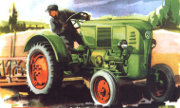
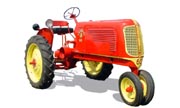
Veredicto en cifras
- El Bolinder-Munktell BM-10 y el Cockshutt 60 desarrollan la misma potencia: 20 CV.
- El Bolinder-Munktell BM-10 es el modelo más reciente: su producción comenzó en 1947, frente a 1942 del Cockshutt 60.
- El Bolinder-Munktell BM-10 es más pesado: 1300 kg frente a 1134 kg del Cockshutt 60.
Comparación completa de especificaciones
| Bolinder-Munktell BM-10 | Cockshutt 60 | |
|---|---|---|
| Potencia | 20 CV | 20 CV |
| Años de producción | 1947–1952 | 1942–1948 |
| Combustible | Diésel | Gasolina |
| Cilindros | 2 | 4 |
| Cilindrada | 2.7 L | 2 L |
| Peso | 1 300 kg | 1 134 kg |
| Tracción | 2WD | 2WD |
| Transmisión | Mecánica | Sincronizada |
| Marchas (del/tras) | 5 / 1 | 4 / 1 |
| Distancia entre ejes | 165 cm | — |
| Longitud | 262 cm | — |