Bolinder-Munktell 36 vs Deutz F3L514
Confronto delle schede tecniche
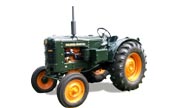

Verdetto in cifre
- Il Bolinder-Munktell 36 e il Deutz F3L514 erogano la stessa potenza: 41 CV.
- Il Bolinder-Munktell 36 è il modello più recente: produzione iniziata nel 1953, contro il 1951 del Deutz F3L514.
- Il Deutz F3L514 è più pesante: 2500 kg contro 2460 kg del Bolinder-Munktell 36.
Confronto completo delle specifiche
| Bolinder-Munktell 36 | Deutz F3L514 | |
|---|---|---|
| Potenza | 41 CV | 41 CV |
| Anni di produzione | 1953–1954 | 1951–1964 |
| Carburante | Diesel | Diesel |
| Cilindri | 3 | 3 |
| Cilindrata | 3.4 L | 4 L |
| Peso | 2 460 kg | 2 500 kg |
| Trazione | 2WD | 2WD |
| Trasmissione | Meccanica | Meccanica |
| Marce (av/ind) | 5 / 1 | 5 / 1 |
| Passo | 200 cm | 207 cm |
| Lunghezza | 314 cm | 334 cm |